Elevate Your Property Listings with Story Templates
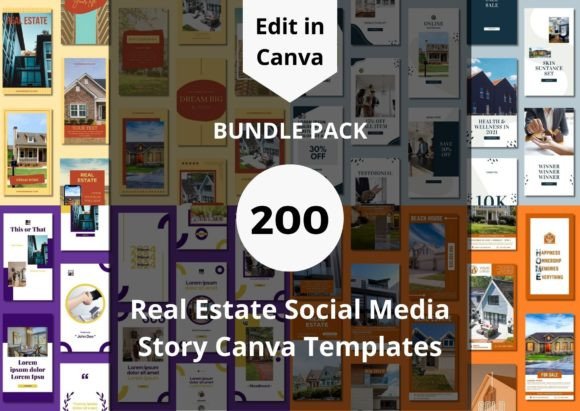
In the fast-paced world of real estate marketing, visual consistency is the bridge between a casual follower and a serious lead. You likely have the listings and the expertise, but creating fresh, engaging content for Instagram or Facebook every single day can feel like a full-time job in itself. This is where the utility of Real Estate Social Media Story Templates becomes undeniable. These aren't just static images; they are sophisticated design assets built to streamline your workflow while elevating your brand identity. Think of them as the digital equivalent of a premium editorial layout, specifically tailored for the property market.
Understanding the Visual Character of These Templates
When we talk about the "personality" of these templates, we are looking at a distinct blend of modern typography and clean architecture. Unlike generic social media graphics that rely on clip art and cluttered layouts, professional real estate templates embrace negative space. They prioritize high-quality photography, allowing the property to take center stage. The visual style is often characterized by a mix of sans serif fonts for clarity and serif fonts for elegance, mimicking the aesthetic of luxury lifestyle magazines. You will often find a balance of bold headers and subtle body text, creating a visual hierarchy that guides the viewer's eye exactly where it needs to go—whether that is the price, the location, or the "Contact Me" button.
The appeal lies in this polished professionalism. When you use a cohesive set of templates, your Instagram profile stops looking like a scrapbook and starts looking like a curated portfolio. This is crucial for brand perception. The templates often utilize soft color palettes—creams, charcoal, slate blues, and sage greens—that evoke feelings of trust, stability, and luxury. However, because they are designed as versatile design assets, the color schemes are easily adjustable to match your brokerage’s specific brand colors without clashing with the underlying layout structure.
Practical Applications: From Listings to Personal Branding
The versatility of Real Estate Social Media Story Templates extends far beyond simply posting a photo of a new listing. To get the most value out of these packages, you need to view them through the lens of various content pillars. For instance, the same design structure used for a "Just Sold" announcement can be repurposed for a "Market Update" graphic. This adaptability is what makes them a powerful tool for small business owners and independent agents alike.
Consider the following scenarios where these templates shine:
- Open House Promotion: Use a template with a bold, eye-catching header font to announce dates and times. The structure ensures the address is readable even on small mobile screens.
- Client Testimonials: A template featuring a script font or handwritten font overlay for quotes adds a human touch, softening the corporate feel and building rapport with potential clients.
- Behind-the-Scenes Content: Use a more casual layout for "Day in the Life" stories. This helps in personal branding, showing that there is a real person behind the listings.
- Educational Tips: Use carousel-style templates to share "5 Tips for First-Time Buyers." The consistent layout across slides keeps users swiping rather than tapping away.
For content creators and marketers, the ability to maintain a consistent grid aesthetic is vital. These templates act as a guardrail, ensuring that even when the content changes, the visual language remains the same. This consistency builds recognition; followers will start to recognize your posts before they even read the text, simply by the color palette and layout style.
The Psychology of Layout and Readability
Design is not just about looking good; it is about communication. A well-designed social media story influences how your audience perceives your competence. If your graphics look cluttered or use mismatched fonts, it can subconsciously signal a lack of attention to detail—something you absolutely want to avoid in the high-stakes real estate market. Real Estate Social Media Story Templates solve this by pre-determining the visual hierarchy.
Visual hierarchy refers to the arrangement of elements to show their order of importance. In these templates, the most critical information (like "New Listing" or the Price) is usually displayed in a heavier weight or larger size. Secondary information (like the square footage or number of beds) is often lighter or smaller. This structure aids readability significantly. You don't have to guess where to place text so it doesn't cover the subject's face in a photo; the layout is already engineered to accommodate imagery.
Furthermore, the choice of typeface within these packages is deliberate. Real estate marketing typically requires a font that feels trustworthy yet modern. You will rarely see overly decorative or illegible fonts used for crucial details. Instead, the focus is on legibility. The text needs to be readable in a split second as users tap through their stories. By utilizing these pre-made structures, you ensure that your message is absorbed instantly, increasing the likelihood of engagement.
Evaluating and Implementing Design Assets
When you acquire a package of templates, usually delivered via a PDF with links to the source files, you are buying more than just images; you are buying a workflow. To implement these effectively, you should look for a few key characteristics:
- Software Compatibility: Ensure the templates work with your preferred editing tool, typically Canva, Photoshop, or Illustrator. For most entrepreneurs and small business owners, Canva-compatible templates offer the lowest barrier to entry.
- Modularity: Good templates should feel like building blocks. Can you move the text box? Can you change the background color easily? If the design is too rigid, it limits your creative potential.
- Font Licensing: While the templates come with the design, always verify if the commercial font licenses are included or if you need to substitute them with standard system fonts if you plan to use them for commercial print materials outside of the social media platform.
Once you have the files, don't just start posting blindly. Take a moment to customize the global colors and fonts to match your brand identity. If your brand uses a specific serif font for headings, swap it in. This small step transforms a generic "template" into a bespoke "brand asset." The goal is to make the design work for you, not the other way around.
Maximizing Engagement Through Design
Ultimately, the goal of using Real Estate Social Media Story Templates is to drive engagement. A visually cohesive story is more likely to be watched until the end. When a user lands on your profile, a chaotic mix of fonts and colors can be jarring and cause them to bounce. Conversely, a clean, organized aesthetic invites them to explore.
Think of these templates as your digital curb appeal. Just as you stage a home to help buyers envision themselves living there, you stage your social media to help clients envision working with you. By utilizing professional design assets, you signal that you value quality and presentation—traits that clients look for in an agent handling their largest financial transaction. Whether you are a solo agent or part of a large brokerage, integrating these modern templates into your daily routine is a practical, high-impact way to strengthen your digital presence and connect with your audience more effectively.