Optimize Your B2B Strategy with LinkedIn Landing Page Templates
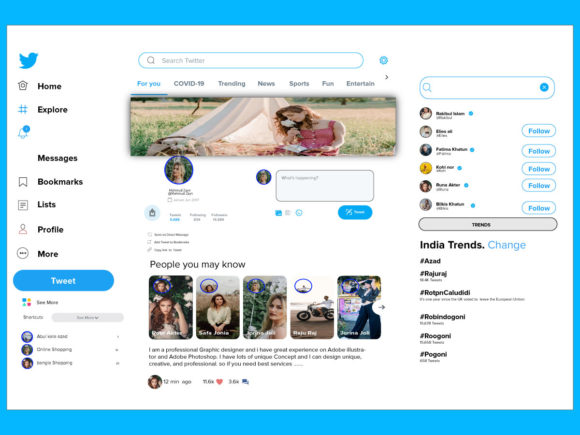
In the world of B2B marketing, your LinkedIn presence is often the first handshake. It is the digital storefront where decision-makers, potential clients, and future employees form their initial impressions of your brand. A generic, text-heavy profile simply does not cut it anymore. To capture attention and drive conversions, you need a dedicated, high-impact landing page that aligns with your professional goals. This is where specialized LinkedIn Landing Page Templates come into play, offering a structured yet customizable foundation for anyone serious about their professional outreach. Whether you are a designer pitching a new client, an entrepreneur seeking funding, or a marketer building a lead generation funnel, the visual presentation of your offer is paramount.
The Anatomy of a High-Converting Professional Template
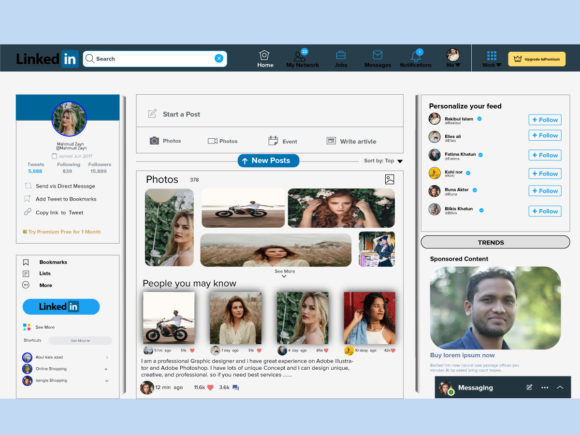
When we talk about the visual characteristics of a professional template for a platform like LinkedIn, we are looking for a blend of corporate reliability and modern creativity. The personality of these designs usually leans toward clean, structured layouts with ample white space. This isn't about chaotic artistic expression; it is about clarity and trust. The overall appeal relies on a sophisticated color palette—often utilizing blues, grays, and whites associated with corporate trust, accented by vibrant call-to-action colors to guide the user's eye.
A critical component of these templates is the integration of high-quality logo design assets. You will often find specifications requiring a full vector format, such as SVG or EPS. Why does this matter? Because a logo needs to be flawless whether it is viewed on a mobile phone screen or projected onto a conference room wall. Raster images (like JPEGs) pixelate when enlarged, which instantly destroys credibility. Vector files, on the other hand, are mathematical paths that allow for infinite scaling without losing sharpness. When a template package includes a logo in high resolution that is "ready to change text," it empowers you to adapt the design instantly without needing to hire a specialist for minor tweaks.
Furthermore, the versatility of these assets is defined by their editability. A premium template package typically provides an EPS file, which is the gold standard for creative design. This format is compatible with industry-standard software like Adobe Illustrator, allowing you to deconstruct the design. You can change the color of individual shapes, swap out fonts, and combine elements to create unique illustrations that truly represent your brand identity. This level of customization ensures that your LinkedIn landing page does not look like a carbon copy of a competitor’s site.
Visual Hierarchy and Brand Perception
How does a template actually influence your success? It comes down to visual hierarchy and readability. A well-structured LinkedIn Landing Page Template guides the visitor’s eye naturally from the headline to the value proposition, and finally to the call-to-action (CTA). If you are using a chaotic layout, users bounce because they don't know where to look. By utilizing modern typography and established grid systems inherent in these templates, you create a frictionless experience.
The choice of typeface within these templates also plays a massive psychological role. While I cannot specify the exact font name in this context without seeing your specific file, I can tell you that the font choice dictates the mood. A clean sans serif font suggests modernity, efficiency, and approachability—perfect for tech startups and SaaS companies. Conversely, a classic serif font implies tradition, authority, and heritage, making it ideal for law firms, financial advisors, or academic institutions.
Consider the difference between a display font used for headers and a body font used for descriptions. The display font grabs attention with personality, while the body text prioritizes readability. If you are in the lifestyle, fashion, or creative agency space, you might opt for templates that allow for a script font or a handwritten font to inject warmth and human touch. However, these must be used sparingly to maintain professionalism. The goal is to balance personality with legibility. A premium font included in a template kit ensures that you have the licensing rights to use these styles commercially, protecting you from legal headaches down the road.
Practical Applications Across Industries
The utility of these templates extends far beyond just a static profile page. They are versatile design assets that can be repurposed for various marketing channels.
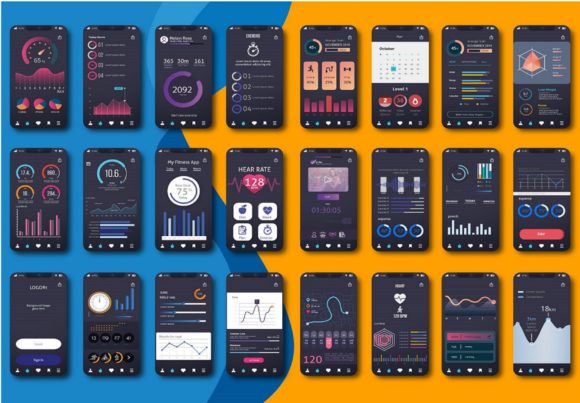
For the Entrepreneur and Marketer: Use these templates to create lead magnets. The structured layout is perfect for web design mockups that you present to clients. If you are running a campaign, the visual consistency between your landing page and your social media graphics creates a cohesive funnel. You can take the vector elements from the logo package and adapt them for Instagram stories or Facebook ads, ensuring your brand looks the same everywhere.
For Designers and Content Creators: These files are a time-saver. Instead of building a layout from scratch, you start with a professional foundation. You can tweak the font pairing—perhaps swapping a standard sans-serif for a more geometric option—to match a client's specific vibe. The ability to resize and recolor every shape means you can adapt a corporate template into something edgy for a streetwear brand or something minimal for a Scandinavian interior design firm.
For Editorial and Packaging Design: While primarily digital, the elements within a LinkedIn template kit—icons, borders, and typographic styles—can influence editorial design for PDF brochures or whitepapers. If you are a small business owner creating a product catalog, the clean lines and professional layout logic of a landing page template can be translated into packaging design labels or instruction manuals.
Evaluating and Implementing Your Template
Before you commit to a template, run through a quick checklist to ensure it fits your project needs. First, look at the file types. As mentioned, you need that EPS or SVG for scalability. If the template only provides a flat image file, you are severely limited in how you can edit it.
Next, test the font pairing. Does the headline font clash with the body copy? Good templates come with pre-selected typefaces that have been balanced for contrast and harmony. However, always preview the text with your own content. Sometimes a template looks great with "Lorem Ipsum" but falls apart when you insert your 50-word value proposition because the text block becomes too dense or too sparse.
Readability is non-negotiable. Ensure that the color contrast between the text and the background meets accessibility standards. Dark grey text on a white background is often easier on the eyes for long-form reading than stark black. If the template uses a creative font that is difficult to read at smaller sizes, swap it out for a simpler sans serif font for the body text.
Finally, review the commercial licensing. If you are using this for a client project or selling a product, you must ensure the assets are cleared for commercial use. Most reputable template providers include this license, but it is always your responsibility to verify. By treating your LinkedIn Landing Page Templates not just as a static design but as a modular system of design assets, you equip yourself to build a brand identity that is professional, adaptable, and built to convert. This approach saves time, elevates your visual strategy, and ensures that every pixel on your landing page is working toward your business goals.