Modern Branding with Facebook Redesign Templates
In the current digital landscape, a brand's landing page is often the first point of serious contact with a potential customer. It needs to do more than just look good; it needs to communicate value, build trust, and guide visitors toward a specific action. This is where a thoughtful redesign of your landing page assets becomes critical. Moving beyond generic layouts, templates inspired by the clean, user-centric principles of modern social platforms offer a powerful framework for conversion-focused design.
Visual Character and Professional Appeal
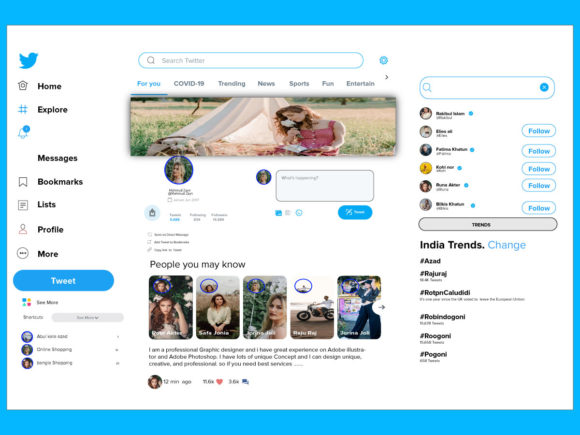
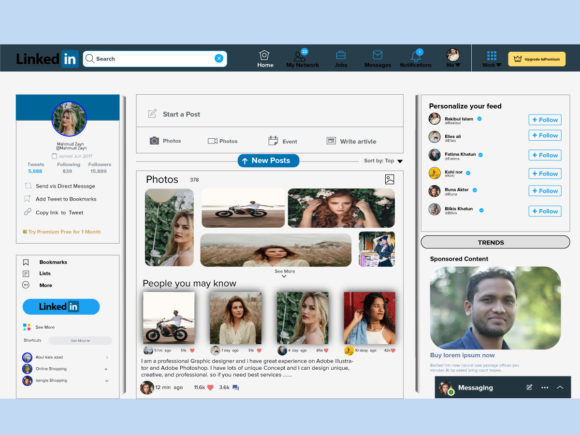
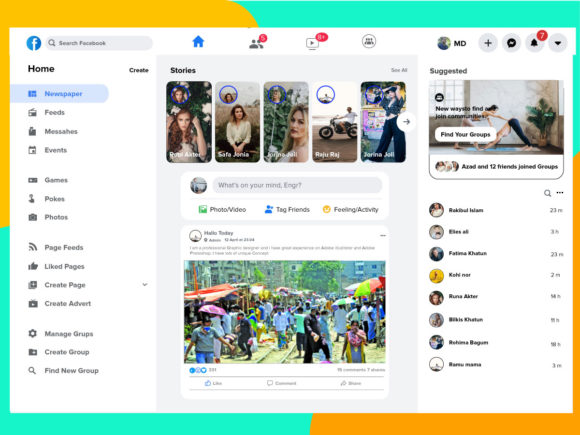
The visual style of these templates is defined by a sense of clarity and purpose. They typically employ a balanced hierarchy, using generous white space to direct the eye and reduce cognitive load. The aesthetic leans toward the contemporary—clean lines, ample room for high-quality imagery, and a color palette that can be easily adapted to your existing brand identity. This isn't about flashy trends; it's about creating a professional, trustworthy environment that feels both approachable and authoritative.
The overall personality is one of confident simplicity. It avoids clutter, ensuring that every element on the page serves a clear function, whether it's a headline, a call-to-action button, or a testimonial block. This design philosophy directly supports better user experience, making information easy to digest and navigation intuitive. For a small business owner or a marketing team, this means less time spent wrestling with layout problems and more time refining your message.
Where These Templates Shine: Practical Applications
The strength of a well-structured landing page template is its versatility. It functions as a foundational design asset that can be deployed across numerous projects. For entrepreneurs and startups, it's the perfect starting point for a product launch page or a lead generation form. Marketers can use it to build dedicated campaign pages that align with email or social media promotions, ensuring visual consistency across all touchpoints.
Content creators and bloggers will find it invaluable for promoting a new course, ebook, or newsletter signup. The clean layout ensures the focus remains on the content offer. Even for more traditional applications like packaging design or editorial design, the principles of visual hierarchy and clean typography practiced in these templates can inform brochure layouts, lookbooks, or product catalog pages. The key is that the template provides a tested structure for presenting information effectively.
Integrating Assets: The Role of Vector Logos and Brand Elements
A landing page doesn't exist in isolation. It must be seamlessly woven into your broader brand identity. This is where having the right design assets becomes crucial. For instance, your logo must appear crisp and professional at any size. This necessitates using a full vector logo file, such as an SVG or EPS, which allows for infinite scaling without quality loss. When you receive a logo package that includes these high-resolution, editable files, you have the flexibility to implement your brand mark flawlessly across digital and print.
The ability to easily resize and change colors of every shape within a vector logo is not a luxury; it's a necessity for maintaining brand consistency. You might need a single-color version for a footer, a reversed version for a dark background, or a simplified icon for a social media avatar. Having an EPS file compatible with Adobe Illustrator means you or your designer can make these adjustments quickly, ensuring your logo works harmoniously with the clean environment of your landing page template.
Choosing and Customizing Your Template
When evaluating a landing page template, look beyond the surface. First, consider the font pairing used in the demo. The typography should complement your brand's voice. A modern sans-serif font often conveys clarity and efficiency, while a serif font can add a touch of tradition and authority. Ensure the template includes ready-to-change text layers so you can seamlessly swap in your own headlines and body copy without breaking the design.
Test the template's responsiveness. A web design asset must function beautifully on desktop, tablet, and mobile. Examine the included sections: Does it have space for client logos, feature lists, video embeds, or pricing tables that match your needs? Think of the template as a flexible container. Its creative font choices and layout grids are the starting points, but the final result should be a unique expression of your brand's professional identity.
Finally, consider the commercial licensing of all assets. Whether it's the template itself or the accompanying logo specification files, ensure the license permits your intended use—be it for a single client project or unlimited personal and commercial work. This due diligence prevents future legal headaches and protects your investment in your brand's visual foundation. By combining a thoughtfully designed landing page template with properly sourced, editable brand assets, you create a cohesive and powerful digital presence that engages your audience and builds lasting recognition.